
Meet the Speaker
Nina Horowitz is a bioengineer with a decade of experience designing natural killer (NK) cell therapies, spanning research disciplines from evolutionary biology to cancer immunology. Before joining ImmuneBridge, she conducted research in laboratories at Williams College, Mount Sinai, Boston University, and Stanford University. During her PhD work at Stanford, she focused on engineering NK cells for solid tumour immunotherapy and saw first-hand how challenges such as scalability and donor variability were limiting progress in the field.
For the past three years at ImmuneBridge, Nina has been leading the development of a novel internal therapeutic pipeline as well as multiple co-developed programmes targeting cancer, autoimmune disease, neurodegeneration, and other conditions. She and her team have built advanced screening and manufacturing systems that address key bottlenecks in NK cell therapy development, enabling more consistent, scalable, and impactful next-generation treatments.

Learn More About Nina Horowitz's Thoughts on the NK Field
Looking ahead to 2027 and beyond, what do you think success for the NK field will look like?
I think the field is already showing signs of success in many ways. Many academics and companies have developed compelling clinical products that are currently being tested in the clinic, and their efficacy across a variety of oncology and autoimmunity indications will continue to be proven throughout 2026 and 2027. The biggest change will be if investors realize that these cells are worthy of investment because they can have such huge impacts on the lives of patients.
From your perspective, what differentiates the most successful NK platforms from those that struggle to translate into the clinic?
The biggest difference is between those who plan for large-scale manufacturing and those who don't. If a company doesn't build donor screening and scalable manufacturing processes alongside its product, it has essentially designed a proof of concept that will need to be reworked before it can advance to Phase III and commercial use.
Issues such as feeder cell-induced exhaustion, poor cryopreservation recovery, and donor-to-donor variability can ruin a product before it even reaches the clinic, or cause a company to fail when they can't meet the required number of doses for their trial at a reasonable price point.
What are you most looking forward to at the 11th Innate Killer Summit? Are there any particular sessions or topics that you’re excited about?
I'm excited about everything! I think our field is unique because everyone knows each other and supports our shared mission, and I have initiated several collaborations based on encounters at previous conferences. I am looking forward to seeing all of the new data and identifying new opportunities for us to help other companies and researchers.
Why do you believe gatherings like the Innate Killer Summit are especially important for the field right now?
Right now, biotechs are emerging from a long winter, and investments are hard to earn. This is especially true for cell therapy, and in particular for NK cell therapy.
I think gatherings like the Innate Killer Summit give people a chance to re-energize themselves, move the field forward by learning from each other, and help spread the message about how powerful these cells can be for the patients who need them!
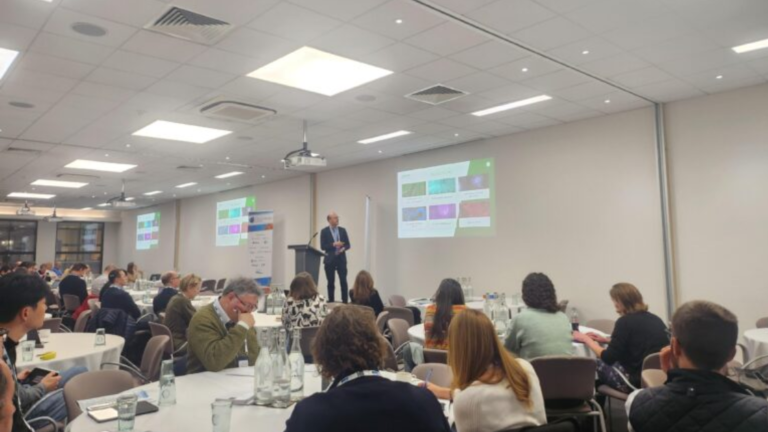
Explore the Agenda
Discover the latest breakthroughs shaping NK and innate immune cell therapy in our expertly curated program. Gain actionable insights across engineering, manufacturing, persistence, and clinical development through data-rich presentations, collaborative roundtables, and brand-new strategic discussions built to tackle today’s biggest challenges in the NK space.

Partner With Us
Stand with the leaders driving the future of NK cell therapy. Position your brand at the heart of this legacy meeting and align with innovators seeking best-in-class tools, technologies, and partnerships. Showcase your solutions to the exact decision-makers shaping next-generation innate immune therapeutics.

Join Innate Immunity Experts
Connect with a highly engaged community of scientists, investors, academics and industry pioneers committed to advancing NK-based treatments. Be part of the most meaningful conversations in the field and build the relationships that will define the next wave of innovation in innate cell therapy.